



COVID-19 Children: Immunity Tips
by Premier Hospitals | June 25, 2020 |
According to the Centers for Disease Control and Prevention, there is no higher risk of COVID-19 in children than adults. While some children and babies have COVID-19, adults make the majority of cases known to date. Fever, dry cough, and shortness of breath are the three main symptoms of coronavirus. In severe cases, the infection can cause pneumonia and difficulty breathing.
In recent weeks, the number of Covid-19 cases has increased exponentially worldwide. The World Health Organization (WHO) has adopted several basic safety practices that must be followed during this period to prevent coronavirus infections in children. It is essential to understand the latest Pediatric Inflammatory Multisystem Syndrome, or PIMS, a very rare condition that may be associated with coronavirus exposure. The severity of Covid-19 in children is currently mild. It can only be severe if the child has basic problems such as diabetes, high blood pressure, and respiratory disease, or immune suppressants that can weaken his immunity.
COVID-19 has accelerated the need for physical distance throughout the country and the world. Families should stay at home and spend a lot of time with their children. But fear about contacting the viruses, uncertainty about what is going to happen, and staying up at home for most of the time can make it difficult for families to stay calm. However, it is essential to help children feel safe, follow healthy routines, control their behaviour, and strengthen their resilience.
In this article, provided by Premier Hospital will talk about tips on caring for children from Covid 19 infection:
Ten tips that will help you avoid the risk of covid-19 for your children

Promote healthy eating habits: The presence of good bacteria in the intestine contributes significantly to the prevention of many diseases and offers good immunity against pathogens. The best way to increase the microbiome is to consume a variety of high fibre plant foods and limit processed foods. Eat lots of fruits, vegetables, nuts, seeds, and whole grains.
If you are worried about eating fresh produce when self-isolating, stoke up on fruits, berries, and frozen vegetables, you can also buy canned fruit, nuts, and beans. Eating homemade cottage cheese regularly can help increase children’s immunity. Use foods rich in vitamin C and antioxidants, such as oranges, tomatoes, broccoli, pineapple, and raw vegetables.
Chicken soup or vegetable soup can help. At the same time, garlic, ginger, and turmeric can improve immune function. Nutritionists claim that these herbs also have antibacterial and antiviral properties.
Cleanliness:
- This is an excellent time to teach your children to follow good hygiene practices by washing hands thoroughly with soap for 20 seconds. Make sure you always have a hand sanitizer for alcohol if you go out or play with other children. However, avoid social events.
- It is essential to teach your children the right way and the right time to wash hands. Observe WHO guidelines for proper hand-washing and disinfection techniques, especially between fingers and nails. You should also teach them to wash their hands with soap and water before eating or touching their face.
- Train them to wash their hands several times after various activities, such as touching doorknobs in a public place. Another technique to avoid contact with infected surfaces is instructing your children to use unused hands while they have access to doors in public places.Clean:
- Toilets
- Phones
- Electronics
- Door handles
- Bedside tables
- Television remotes
- When going out, make sure your children wear full sleeves to minimize interaction with the public area. It might be ideal for keeping separate clothes when going out.
Disinfect the surrounding area:
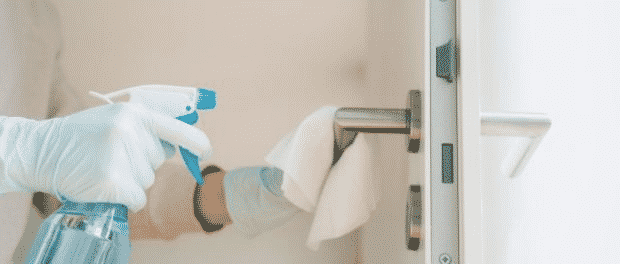
- Frequently disinfect the environment around you, especially the bathroom. Do not use a bath or towel together for your children and other family members. Clean the door, window panes, door handles, and any objects or devices accessible to the majority in the house.
- Make sure you wash the clothes you wear when you go out; Keep separate laundry bags to store clothes that you use to go out. Wash clothes as often as possible and use warm water to wash. If someone is sick at home, do not mix their clothes with other clothes, because this can be a direct infection.
Social distance:
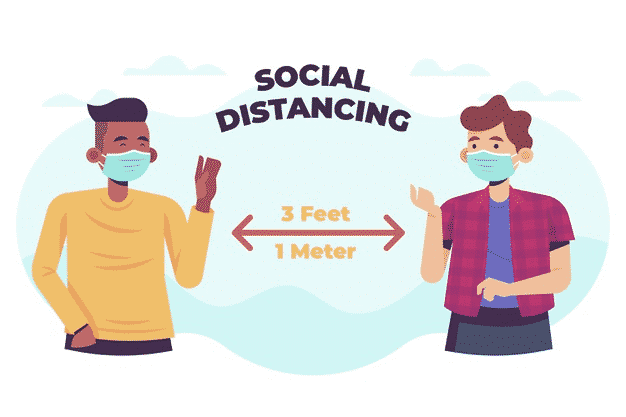
- Social distance can be quite a task if you have small children. But you can keep them entertained with various activities and games in the room. Don’t worry, because there are several YouTube channels and applications specifically for this; you can make your games.
- This is the best time to bring your children closer to the pleasure of reading. You can start by reading stories to them and then encourage them to read with you. Not only is this a fun experience, but it can also be a great way for your children to learn a lot.
- If you have pets, you can trust your children to care for them, keep them busy, and fill the lack of friends. This might include washing pets, making sure they are fed, or playing with them. This is the best way to teach children of all ages, a sense of responsibility.
- It is best to avoid your children playing outside with other children or taking part in large social gatherings because this can increase the risk of infection.
Training and schedule:
- As your child is in the middle of the current academic calendar during the current lockdown, you can help the children continue their education. Stay in touch with class teachers to regularly update the requirements and curriculum. Adhere to regular study time every day, design worksheets and games to spark your children’s interests.
- You can also help them with assignments and projects. There are several individual projects that you can explore with your children from the comfort of your own home. Also, prepare a fixed bed for your children, because good sleep gives them a good mood and concentration for learning.
- Learn how to stay in touch with your child’s teacher or school, so they are always up to date, ask questions, and get further guidance. Parent groups or community groups can also be a great way to support each other in your home education.
Reduce stress:
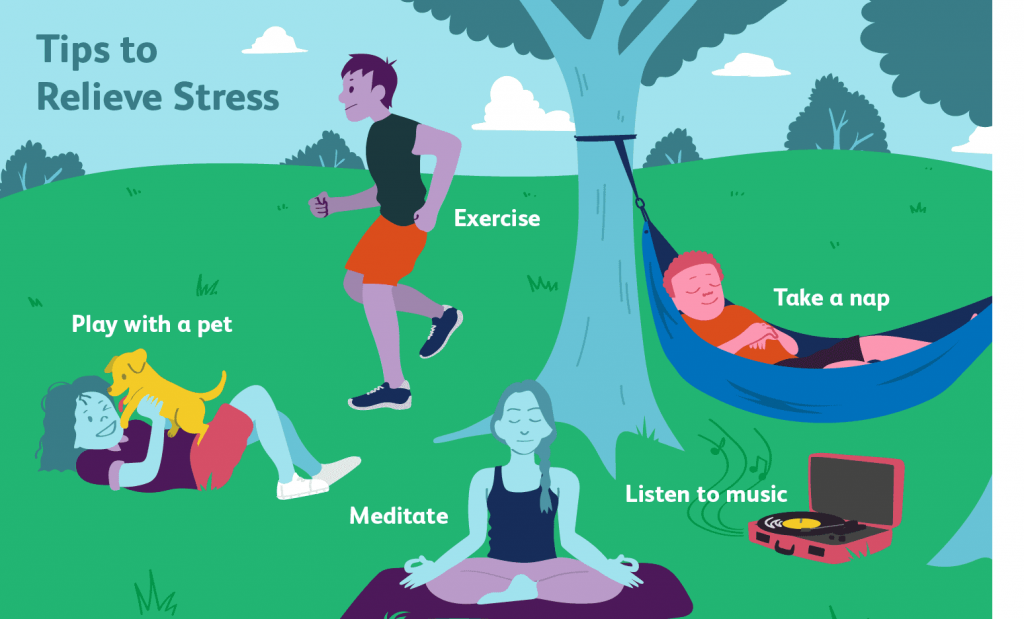
If you feel your child’s mental well-being is affected by lockdown, your child is anxious and cranky; there are several things you can do to make it easier:
- Friends: You can connect them to your friends via video calls to stay connected and don’t feel isolated. You can set a fixed time for this activity so that they wait for this interaction.
- Gardening: Teach your children to work in the garden. You don’t need a lot of space; you can start with a small kitchen or herb garden. There are several online tutorials to help you with this and great training for your children.
- Children are very susceptible to infections; Be sure to protect them from sick or infected people. Avoid visiting relatives or friends who are sick at this time.
Limit outdoor activities and Cultivate a hobby:
Familiarize your children with new hobbies such as drawing, singing, and learning how to play an instrument. You don’t have to go out because it’s just a click away. Several online tutorials will guide you. You can also enrol your children in online classes that keep them busy. You can also learn with your children; for example, origami is an art that inspires adults and children.
Wear a mask:
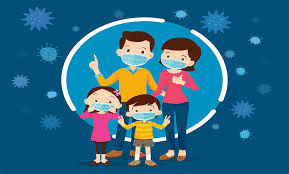
Medical masks, including surgical masks, medical face masks, and respirators (such as N95 masks), must be bought from medical shops and worn when going out.
The mask itself does not prevent the spread of COVID-19. You must consistently comply with hygiene and proper health measures, including frequent hand washing and physical (social) distance.
Take your time:
Start with shorter exercises and gradually lengthen them. If the goal is a 30- or 45-minute session, start with 10 minutes and build up from there. Combine online or screen time with offline activities or training during a session.
Protect children online:

The digital platform offers children the opportunity to continue learning, playing, and staying in touch with their friends. However, increasing online access poses a higher risk to children’s safety, protection, and privacy. Discuss the internet with your children, so they know how it works, what they need to know, and what platform behaviour they use, such as video calls.
Together, make rules about how, when, and where the internet can be used. Have parental controls on your device to reduce online risk, especially for young children. Work together to identify appropriate online recreation tools – organizations such as Common Sense Media offer tips for apps, games, and other age-appropriate online entertainment.
Remember that children or teenagers do not have to share photos of themselves or other personal information to access digital learning.
Conclusion:
Overall do not get Panic, and do not entirely ignore the news. These are some reasonable and simple steps we can take to reduce the burden of health services in the coming weeks. Immediately take medical care if your child has a fever, cough, or breathing difficulty.
It’s also important to remember not to blame people for spreading disease. There is no magic cure for such a virus, and even the best preventive measures only reduce risk. Apportioning may feel good, but in the end, it becomes more difficult to control infection if people try to hide their symptoms from a crowd.
It sounds like a lot, but it’s not, and it’s worth doing, so you can all get out of the house, exercise, have fun, and feel a little more normal for more information on COVID-19 and precautions to the children’s contact Premier Hospital at 077020 01163.