



Movement Disorders: Orthopedic Solutions
by Premier Hospitals | May 16, 2019 |
Active life means proper body movement. Proper body movements can help you stay active and prevent bone disorders such as weak bones, broken bones, arthritis, etc. Our external movement depends on our joints, bones and skeletal muscles whereas the internal movement relies on the contraction of smooth muscles, blood pressure, breathing and also by external movement.
When you move your joints in an improper and unintended manner, then you put yourself at risk of movement disorders, which manifest as pain, swelling and arthritis.
Muscles, ligaments and joints are part of the body’s musculoskeletal system. Orthopaedic disorders are ailments, injuries or diseases of the musculoskeletal system that cause problems such as arthritis, whiplash, dislocated shoulder, torn cartilages, foot pain, etc. to name a few. Let’s find out about the different types of movement disorders.
Types of Movement Disorders
The types of movement disorders include Voluntary and Involuntary movement disorders:
Causes of Voluntary Movement disorders:
Voluntary movement disorders are caused due to various reasons such as improper posture, trauma or injuries, de-conditioning due to lack of exercise, neurological problems, etc. Some of the common voluntary movement disorders are:
- Cervical dystonia
- Chorea
- Dystonia
- Neck Pain
- Shoulder Pain
- Pain in the arms and hands
- Low Back Pain
- Knee Pain
- Pain in the legs and feet
- Osteoporosis
- Osteoarthritis
- Rheumatoid Arthritis
- Elbow Pain
- Carpal Tunnel Syndrome
- Lateral Epicondylitis (Tennis Elbow)
- Medial Epicondylitis (Golfers or Baseball Elbow)
- Fibromyalgia
- Fractures
- Ligament Injuries to the joints
- Torn Meniscus
- Kyphosis
- Paget’s Disease of the Bone
- Scoliosis
- Soft-Tissue Injuries
Causes of Involuntary Body Movements
One of the potential causes of involuntary body movements is damage to nerves or areas of the brain affecting motor coordination. The following are several underlying conditions that can affect the body’s movement and muscle function:
In Children:
The most common causes of involuntary movements in children include:
- Hypoxia
- Insufficient oxygen during birth
- Kernicterus
- Cerebral palsy
In Adults
The most common causes of involuntary movements in adults include:
- Excessive use of drugs and neuroleptic medications
- Tumours
- Brain injury
- Stroke
- Degenerative and genetic disorders
- Seizure disorders
- Untreated syphilis
- Thyroid diseases
How can an Orthopedician help?
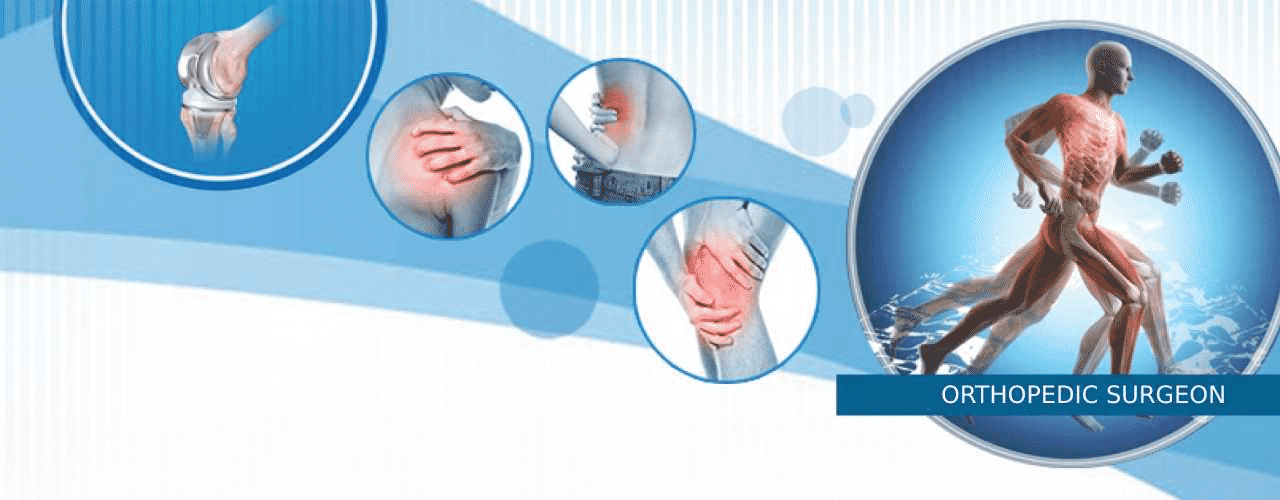
If you are suspecting any abnormal body movements or experiencing pain or difficulty in moving, you should meet an Orthopedic surgeon. He will conduct a thorough assessment of your body movements. As a part of the diagnosis, he may also order some diagnostic tests such as thyroid function tests, X-rays, MRI or CT scan, electroencephalogram, serum calcium test and a few other blood tests. During the assessment, he may ask some questions, including:
- Does restricted movement interrupt your daily life?
- Can you climb stairs and walk unaided?
- Can you get up and down from the ground with ease?
- Can you get out of the chair comfortably and without support?
- Can you raise your hand up and down 90 degrees?
- Can you touch the back of your head?
Treatment for Movement Disorders
Involuntary movement disorders may be difficult to treat unlike voluntary movement disorders, but treatment aims at relieving symptoms and pain. Treatment for movement disorders varies by disorders. The appropriate treatment that best fits your condition will be suggested once the factors contributing to abnormal body movements are identified and addressed.
The following are some of the treatment options your doctor may suggest:
Physical and occupational therapies: Physical and occupational therapy treatment include muscle stretching and group stretching exercises that can help you prevent muscle shortening, preserve the joint flexibility, restore your range of motion, and provide relief from the symptoms.
Medications: Medications or drugs can treat most disorders. Medications can be oral medications, injections, and continuous delivery medications.
Surgery: When all the other treatment options have not been able to provide enough relief from the symptoms, then your orthopaedic surgeon may recommend surgery.
Conclusion:
Movement disorders cannot be cured or controlled on its own. They can be controlled with well-managed orthopaedic care which includes the proper combination of physical and occupational therapies, medication, and surgeries and other alternative treatments. If you are experiencing any forceful or uncoordinated body movements, talk to our orthopaedic surgeon immediately.
About The Hospital:
Since the inception of Premier Hospital in 1991 till today, we have grown to unprecedented levels, due to our excellence in medical sciences and healthcare. Premier Hospital is the creation of Dr Mahesh Marda and when it was first established, was only a small, 30-bed hospital facility. Back then, we provided only secondary care to patients, but that certainly has changed in the present landscape.