



COVID-19 Vulnerability | Elderly Risks
by Premier Hospitals | June 11, 2020 |
Coronavirus in the elderly can lead to serious illness. The mortality rate is also higher in elders. The risk of severe infections for your elderly relatives and neighbours is also high. So what can you do?
COVID-19 is caused by a new strain of coronavirus. There is limited information about risk factors for serious illness. Symptoms of Coronavirus (COVID-19) can vary greatly. Some people have no symptoms, while others get so sick that they end up needing mechanical assistance to breathe.
Studies show that adults aged 60 years and over, especially those who have preexisting conditions, like heart disease, lung disease, diabetes, or cancer, are more likely to have severe, even fatal coronavirus infections than other age groups.
If you care about your loved ones who are older, this article will help you know why children and the elderly are vulnerable to coronavirus. It also tells you what you need to know to make them safer and what to do if you are infected with COVID-19. Before that, let us know about COVID-19 and its symptoms.
What is a coronavirus (COVID-19)?
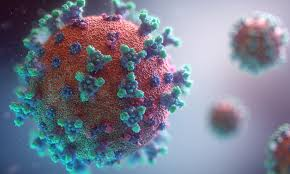
At the end of 2019, a new type of coronavirus began to make people feel sick with flu-like symptoms. In short, this disease is called Coronavirus Disease-19 – COVID-19. This virus spreads easily and now has affected people in many countries.
Signs and symptoms of coronavirus (COVID-19)?
- COVID-19 causes fever, coughing, and breathing problems. Some people might have:
- Sore throat
- Chills
- Shaking repeatedly with cold
- Muscle ache
- Headache
- Loss of taste or smell
How is coronavirus (COVID-19) spread?
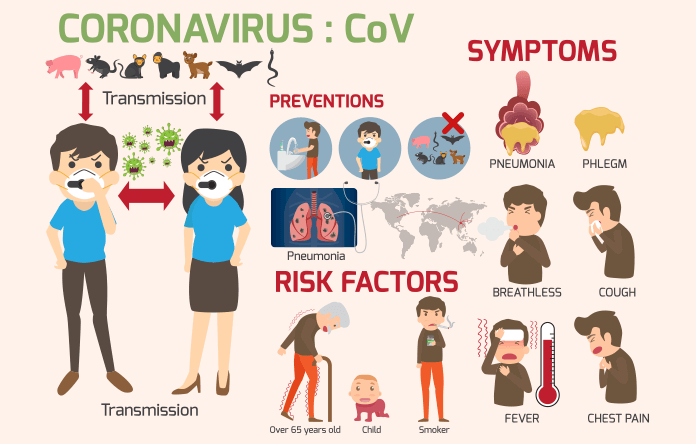
Humans can intercept coronaviruses from other people who have viruses. This occurs when an infected person sneezes or coughs and sends small droplets into the air. They can be inhaled through nose, mouth, or can touch the eyes of those closest to them. People can also become infected if they touch infected droplets on the surface and then touch their nose, mouth, or eyes.
Why is coronavirus worse in adults ?
The American Medical Association Journal shows that children under the age of 10 are only 1% of all COVID-19 cases, while people between the ages of 30 and 79 are almost 90 per cent. They also observed deaths increase with age, with the highest deaths in people over 80 and in people with underlying health conditions.
The immune system is less effective.
Your immune system attacks viruses, bacteria, parasites, and fungi as soon as they enter your body. The second immune system recognizes invading cells, called antigens, and the production of white blood cells increases. These white blood cells kill antigens. If you have a healthy immune system that usually works, and you can avoid illness. When you are sick, you only have a mild version of the infection.
As you get older, your immune system becomes less effective in fighting viruses. This increases the risk of infection. Your body may have difficulty determining which cells make you sick. You might not have enough white blood cells to attack the antigen. They just don’t have the same ability to fight infections as before.
When the immune system is activated in the elderly, there is a higher likelihood of a phenomenon called cytokine storms. Here the immune system exaggerates and produces too many chemicals to fight infection. This leads to a severe inflammatory response that can damage the body, including organ failure.
Adults have more basic health conditions.
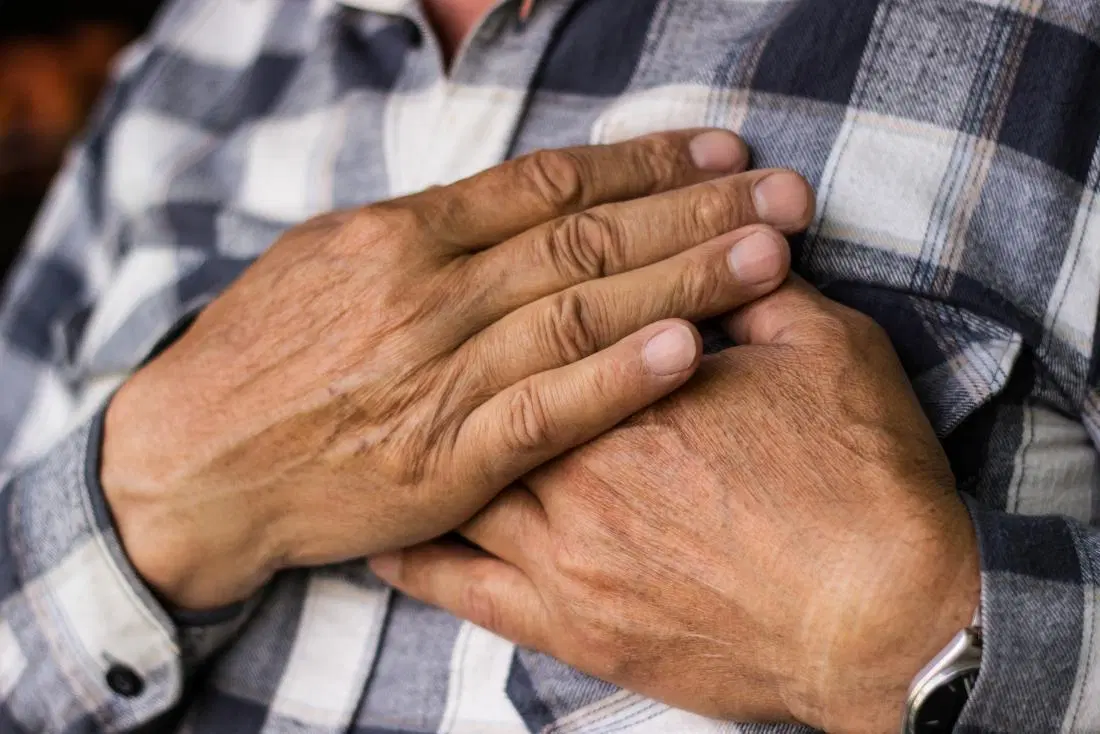
Chronic health conditions and diseases can affect your ability to fight viruses. Researchers say about 92% of adults have chronic diseases, and 77% have at least two chronic diseases. Your body has struggled with chronic problems and does not have all the resources that need to take one more (coronavirus).
Health conditions that can affect your recovery from coronavirus include:
- Heart disease
- High blood pressure
- Diabetes
- Lung diseases such as chronic obstructive pulmonary disease and asthma
- Cancer
- Immune system disorders
Some chronic diseases such as diabetes can make the immune system less effective. Coronavirus can worsen the respiratory disease that adds tension to your heart. It also increases the risk of pneumonia.
Medicine makes weak:
Medications that suppress the immune system can also limit your body’s ability to defend itself against viruses. This includes chemotherapy or anti-rejection drugs for transplant recipients.
Smoking is dangerous:
Smokers will face tougher struggles. These habits can damage your lungs and slow down your recovery from viral diseases.
Why are children more susceptible? Is CoronaVirus (COVID-19) dangerous for children?
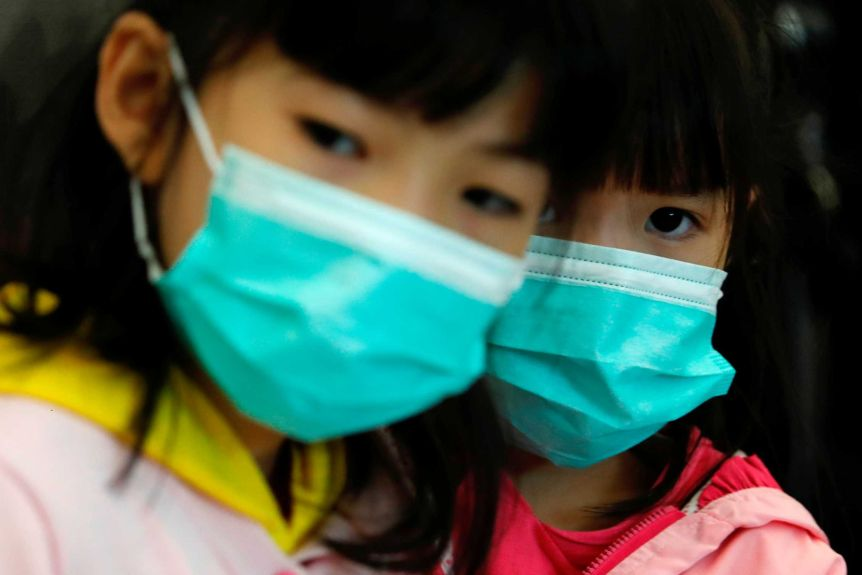
Experts are still learning about COVID-19. There are far fewer cases of the virus in children. Most of them get infections from someone who lives with them or from family members. This virus usually causes milder infections in children than adults or the elderly. However, there are cases where children experience more severe symptoms, sometimes for several weeks after being infected with the virus.
Contact a doctor if your child or someone in your family has a fever, cough, stomach ache, vomiting, diarrhoea, rash, dizziness, or just feeling sick. Let a doctor know if you are near to a person with COVID-19, or have travelled to an area where many people suffer from coronavirus.
Children exhibited few symptoms of COVID-19, but flare-up of the symptoms was seen in children who had an underlying health condition. Children have a robust immune system passed on to them from their mother and vaccines. Their immune system has effectively thwarted the COVID-19 virus from taking control of their body. In some cases, children tested positive with COVID-19 without displaying any of the symptoms.
Make sure your children receive all the vaccines. Protect them from diseases such as measles and flu. Children with other infections may find it challenging to get better if they get COVID-19.
How to Take care of Elders and Children against the coronavirus (COVID-19):
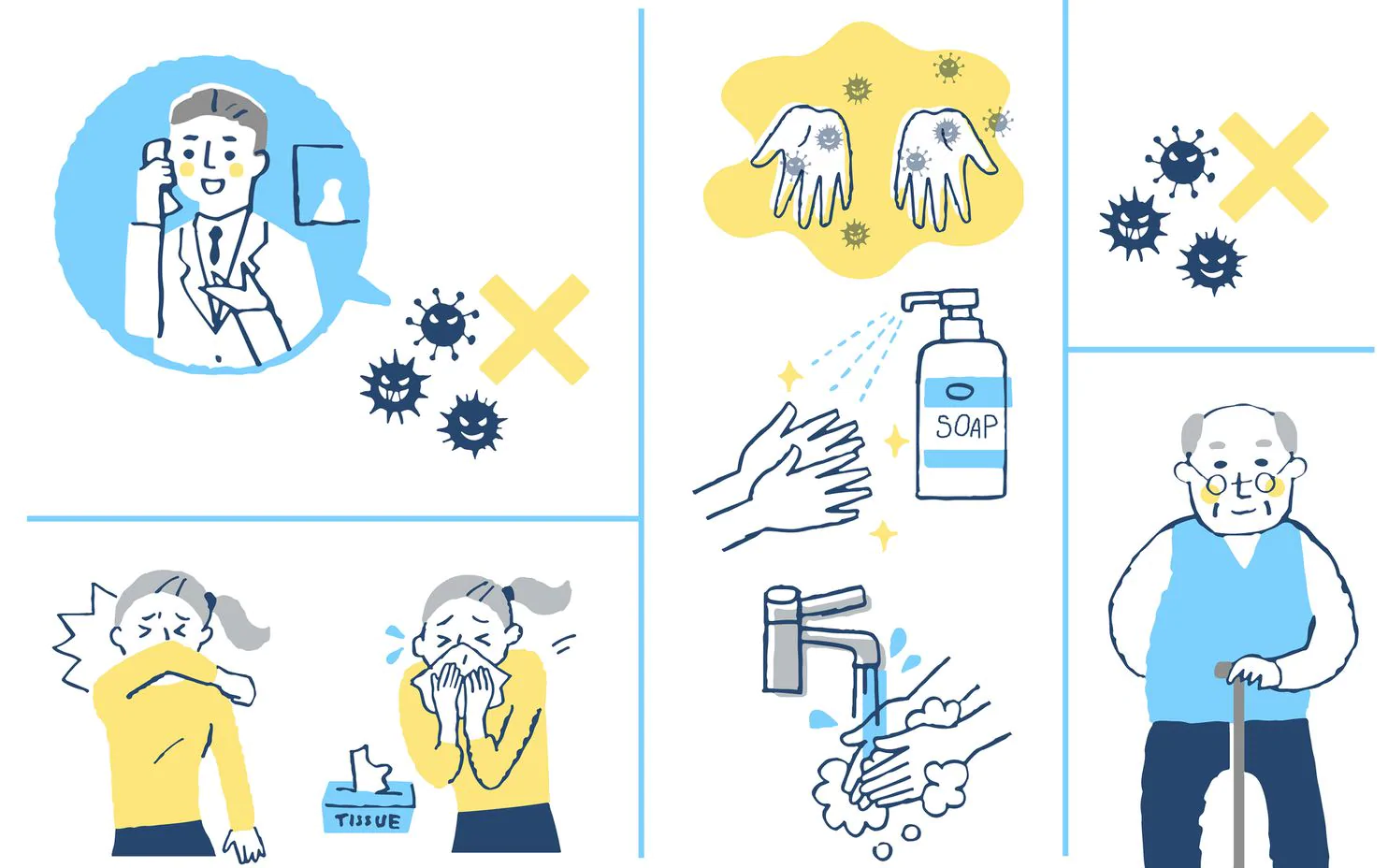
Although there is no vaccine available to prevent infection with new coronaviruses, steps can be taken to reduce the risk of infection. When it comes to COVID-19, a disease caused by a new coronavirus, older people are very vulnerable to severe diseases. The World Health Organization (WHO) and the Centers for Disease Control and Prevention (CDC) recommended the following precautions to avoid COVID-19 and to protect yourself and your family:
- You and your family stay at home and stay away from others as much as possible.
- Avoid other people, especially those who are sick. Avoid busy areas until the outbreak is under control. Keep in mind that COVID-19 can spread with someone who has symptoms and even if someone has no signs.
- If you need to get out, give cloth masks for adults and children over two years, which can slow the spread of the virus.
- Try to stay at least 2 meters away from others.
- Wash your hands well and often. Wash with soap and water for at least 20 seconds or use a hand disinfectant that contains at least 60% alcohol. Teach your children to do the same.
- Keep a distance between you and others when COVID-19 spreads in your community, especially if you are at a higher risk of getting a serious illness.
- Avoid touching your eyes, nose, or mouth.
- Use household cleaners or cloths to clean and disinfect surfaces and items that people often touch.
- Avoid large events and mass gatherings.
- Cover your mouth and nose with your elbows or handkerchief if you cough or sneeze. Discard used tissue.
- Avoid sharing plates, cups, beds, and other household items if you are sick.
- Stay away from work, school, and public places if you are sick unless you have medical attention. Avoid public transportation if you are sick.
- Follow the recommendations of your local health authority, especially if there are people with coronavirus in your area.
In addition to these daily precautions, if you are at higher risk of infection (children and elders) or develop severe symptoms of COVID-19, you might want to do the following:
- Make sure you get all over-the-counter and prescription medicines that you use for 30 days to avoid frequent visits to hospitals.
- Make sure your vaccinations are up to date, especially if you have the flu and pneumonia. These vaccines do not stop COVID-19, but flu or pneumonia can worsen if you get COVID-19.
- Find alternative ways to communicate with your doctor if you need to stay at home for several weeks. Some doctors arrange phone appointments or video conferences.
Conclusion:
Elders especially those with preexisting conditions such as diabetes, heart disease, and lung disease, can be significantly affected.
Do you think that you or your loved one have symptoms? Contact a doctor at a local clinic where coronavirus treatment is given. If you need more information about coronavirus and its impact on elders and children, contact Premier Hospital. Contact at +91-77020 01163 to book your appointment.