



How Dangerous Is To Have A Hole In Your Heart?
by Premier Hospitals | October 31, 2019 |
What Is a Hole in the Heart?
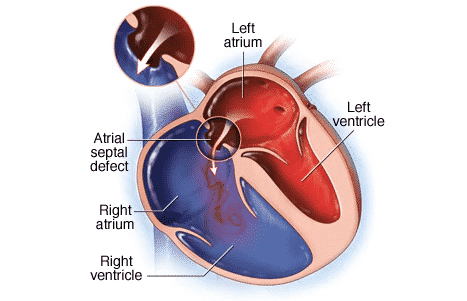
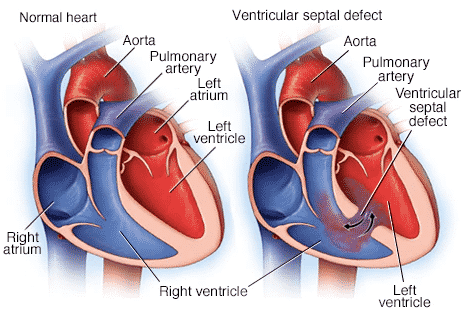
A hole in the heart is medically referred to as Ventricular septal defect (VSD) or Atrial septal defect (ASD) and they are examples of a congenital heart defect (meaning it is present at birth). VSD is a condition where an abnormal opening is found in the heart wall between the main pumping chambers called the ventricles. ASD is an abnormal opening located in the atria, the upper filling chambers of the heart.
VSDs and ASDs are known to be the most common congenital heart defects. In most cases, VSDs and ASDs are treated successfully with minor or no complications.
What Happens if one has a hole in the heart?
A hole in the heart can result in the following:
- When your heart beats, some of the oxygen-rich blood in the left ventricle flows into the right ventricle through the hole in the septum.
- This oxygen-rich blood mixes with the blood in the right ventricle and flows back into the lungs.
- Similarly, the oxygen-rich blood flows into the right atrium from the left atrium.
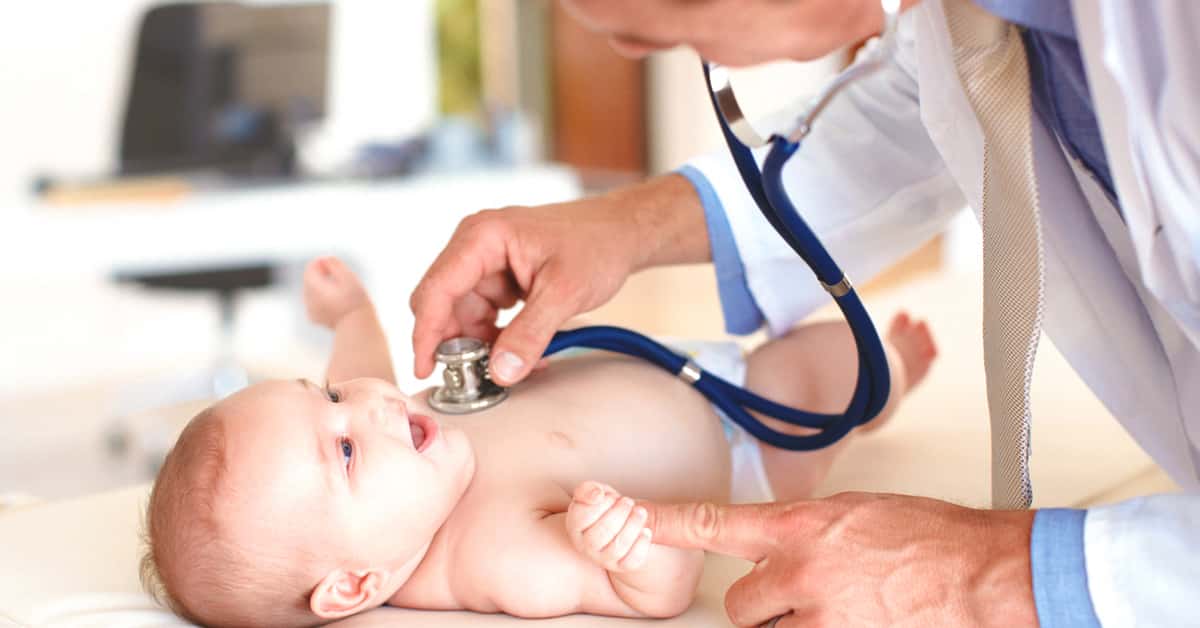
- When the blood flows through the hole, it creates a noise known as a heart murmur. It can be heard by a doctor when he listens to the heartbeat with a stethoscope.
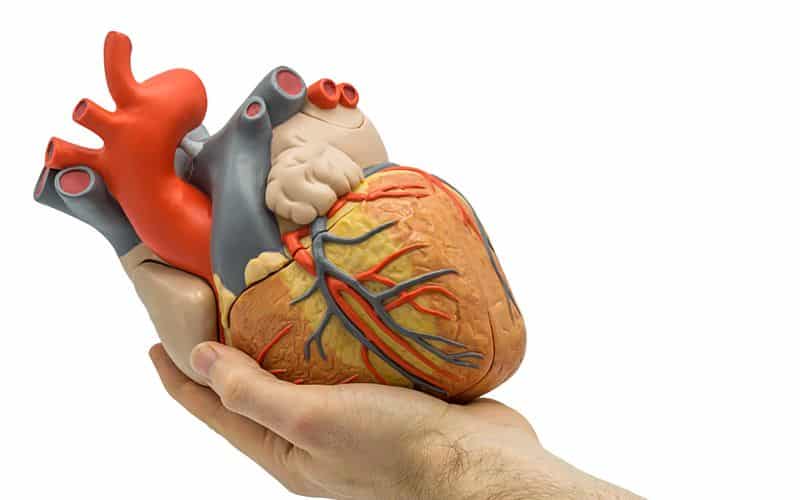
VSDs and ASDs are the two types of holes and can be formed in different places of the septum and can vary in size.
Complications due to Atrial Septal Defect
Over time, if an ASD defect is not treated, it causes heart problems. Usually, ASDs doesn’t show up until adulthood around the age of 30 or later and in most cases it closes on its own.
Possible complications due to ASD include:
- Right heart failure due to pumping of extra blood to the right side of the heart.
- Arrhythmias are caused, due to extra blood flow into the right atrium which causes the atrium to stretch and enlarge and produce abnormal heartbeats.
- A stroke occurs when a blood clot travels to an artery in the brain and blocks the flow of blood. Usually, small blood clots are filtered by the lungs, but if the clot passes through an ASD and reaches the brain artery, it can cause a stroke.
- Pulmonary artery hypertension (PAH) is a condition of increased pressure in the pulmonary arteries. Over time, the building PAH may increase the pressure in the lungs and that can cause the Right side of the heart to fail.
Complications due to Ventricular Septal Defect
Improper treatment of VSD results in heart problems, and they may vary from moderate to large, which can cause the following:
- Infants having large VSDs might end up in heart failure because of over-pumping of the blood.
- Growth failure or failure to thrive, particularly in infancy – the baby might lose weight or stop growing.
- The extra blood flow in the heart can lead to arrhythmias (irregular heartbeats) because areas of the heart may stretch or enlarge.
- Due to high pressure and the high volume of blood pumping through large VSD, the delicate arteries in the lungs can scar. However, PAH is rarely observed because most of the VSDs are repaired in infancy.
What Causes A Hole In The Heart?
Mostly septal defects or holes in the heart are formed during fetal heart development and are present at the time of birth. The heart is developed from a large tube which will divide into sections and eventually grow into the walls and chambers. If there is any problem during this development process, a hole may form in the heart wall, ventricular septum or atrial septum.
Heredity might play a significant role in congenital heart defects. Children with genetic disorders like Down’s syndrome or Marfan’s syndrome may also have congenital heart defects. Women who smoke during pregnancy can also lead to several congenital heart defects in their babies, which include septal defects.
What Are The Signs Of Holes In The Heart?
Most of the babies born with atrial septal defects don’t have any signs or symptoms. However, a heart murmur is the most common sign of ASD, which is an unusual sound heard during a heartbeat.
Similar to ASD, a heart murmur is the only sign of ventricular septal defect (VSD). Often, Heart murmurs may not be detected until the babies are 6 to 8 weeks old.
Over time, if an ASD or VSD is not treated correctly, it may damage the heart and lungs, leading to heart failure.
How Are Septal Defects Treated?
Atrial Septal Defects
Atrial septal defects mostly close on their own during childhood. In some cases, small ASDs which doesn’t cause any problems might not require treatment. But in some cases, persistent or large ASDs require surgery to be corrected.
Medications: Medications don’t repair the hole, but the signs and symptoms associated with the defect (e.g:- Heart failure) may be reduced.
Surgery: If an atrial septal defect is diagnosed in childhood, doctors usually recommend to get treatment as soon as possible to prevent further complications in the future. Cardiac catheterization and Open-heart surgery are the two main surgical procedures performed to treat atrial septal defects.
Ventricular septal defect (VSD)
Similar to atrial septal defects, VSD also closes on its own in most of the children. Meanwhile, doctors treat the symptoms of these congenital heart defects.
Children who require surgical repair for VSDs are often operated in their first year after birth. Children and adults with medium to a large ventricular septal defect are the ones who usually need surgical intervention.

Beta-blockers are used to maintain a regular heartbeat. Cardiac catheterization, Open-heart surgery and hybrid procedure that uses both surgical and catheter-based techniques are surgical procedures performed to treat ventricular septal defects.
It might be scary when your child is diagnosed with any heart condition at the time of birth. Yet, there is no need to worry since medical therapy has improved by leaps and bounds and our pediatricians at Premier Hospital will help ensure that you get the right guidance and the most effective treatment to cure them. For more information, please book an appointment and meet our doctors.
About Premier Hospital:
Since the inception of Premier Hospital in 1991 till today, we have grown to unprecedented levels, due to our excellence in medical sciences and healthcare. Premier Hospital is the creation of Dr Mahesh Marda and when it was first established, was only a small, 30-bed hospital facility. Back then, we provided only secondary care to patients, but that certainly has changed in the present landscape.