



Understanding High Blood Pressure
by Premier Hospitals | December 27, 2019 |
When doctors measure a person’s blood pressure, they measure the strength that blood exerts on the artery walls as it flows through them. If the blood pressure is too high for too long, the blood vessels can be severely damaged.
The damage can cause several complications, some of which can be life-threatening including heart failure, vision loss, stroke, kidney disease and other health problems.
There are ways to deal with high blood pressure. High blood pressure often does not have symptoms, but regular screening can help someone understand whether to take precautions.
In this article, provided by a cardiologist of the Premier Hospital, we look at what is high blood pressure, the causes, and how to treat it. We also explain the measurement of blood pressure that is considered healthy and too high by the health authorities.
What Is High Blood Pressure?
Blood pressure is a measure of the force of blood pressure against the walls of blood vessels. The heart pumps blood to the blood vessels, which carry blood through the body. High pressure in blood is also known as hypertension, and it is dangerous because it makes heart challenging to pump blood into the body and contributes to the hardening of the arteries or atherosclerosis, stroke, kidney disease, and heart failure.
You may have high blood pressure (hypertension) if your blood pressure is constant at 140 for 90 over several weeks or more. You can also have high blood pressure if only one of these numbers is more elevated.
If you have high blood pressure, this higher pressure adds tension to your heart and blood vessels. Over time, this extra tension increases the risk of heart attack or stroke.
High blood pressure can also cause heart and kidney disease and is closely related to some forms of dementia.
What Causes High Blood Pressure?
For most people, there may not be a single reason for their high blood pressure, but there is no exact reason for what causes high blood pressure. We know that your lifestyle can affect your risk. You are at higher risk if:
- Overeating of salty food.
- You don’t eat enough fruit and vegetables
- You are not active enough
- You are overweight
- You drink too much alcohol.
You can help lower blood pressure – and the risk of strokes and heart attacks – by changing your lifestyle.
Risk Factors Of High Blood Pressure:
Several factors increase your risk of developing high blood pressure that you cannot control. This includes:
- Age: As you get older, the effects of unhealthy lifestyles can accumulate, and your blood pressure can increase.
- Ethnicity: People from the African-Caribbean and South Asian communities are at higher risk than others with high blood pressure.
- Family history: You are at higher risk if other family members have or have high blood pressure.
- Some people may have high blood pressure related to other conditions, such as kidney problems. For those who treat medical issues, blood pressure can become normal later.
Signs And Symptoms Of High Blood Pressure:
Most people with high blood pressure have no symptoms, which is why they often refer to hypertension as a “silent killer”. However, after blood pressure reaches around 180/120 mm Hg, it becomes a crisis of hypertension, which is a medical emergency.
At this point you can have:
- Headache
- Nausea
- Vomit
- Dizziness
- Blurred or double vision
- Nosebleed
- Fast Heart rate
- Hard to breathe
Anyone who experiences these symptoms should see a doctor immediately. Visit Premier Hospital for the best treatment.
How Do We Know That Your Blood Pressure Is High?
High blood pressure usually has no symptoms. The only way to find out if you have high blood pressure is to see your doctor regularly. Your provider uses a manometer, a stethoscope or electronic sensors, and a blood pressure cuff. For most adults, blood pressure values divide into one of four categories:
Hypertension Chart:
The following table shows measurements of standard and high blood pressure according to the Indian Heart Association (IHA). Doctors measure blood pressure in millimeters of mercury (mm Hg).
Systolic pressure measures the pressure in the arteries when the heart contracts and is the highest blood pressure value. The diastolic value, which is a lower number, shows blood pressure when the heart is resting between heartbeats.
- Normal
- Systolic (mm Hg): Below 120
- Diastolic (mm Hg): Below 80
- Elevated (Hypertension)
- Systolic (mm Hg): 120-129
- Diastolic (mm Hg): Below 80
- Stage 1 Hypertension
- Systolic (mm Hg): 130-139
- Diastolic (mm Hg): 80-90
- Stage 2 Hypertension
- Systolic (mm Hg): 140 or above
- Diastolic (mm Hg): 90 or above
- Hypertensive Crisis
- Systolic (mm Hg): Over 180
- Diastolic (mm Hg): Over 120
How Blood Pressure And Circulatory System Works?
To survive and function properly, your tissues and organs need oxygenated blood, that is carried out by the circulatory system throughout the body. When the heartbeats, it creates pressure that pushes blood out through a network of tubular blood vessels that reach the arteries, veins, and capillaries.
This pressure – blood pressure – is the result of two forces: the first force (systolic pressure) arises when blood pumps from the heart to the arteries, which are part of the circulatory system. The second force (diastolic pressure) occurs when the heart is at rest between heartbeats. (These two forces are represented by numbers when reading blood pressure.)
How Is High Blood Pressure Diagnosed?
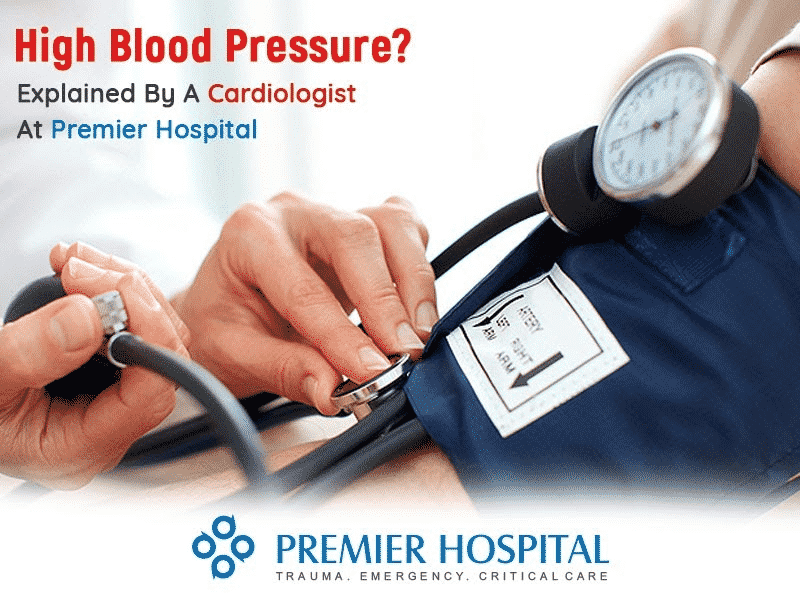
Hypertension is diagnosed with a blood pressure monitor that is a general test for all doctor visits. A nurse will put a band (cuff) on your arm. The belt is attached to a small pump and measuring device then they will squeeze the pump. It will feel tight in your arms. Then they stopped and looked at the meter. It gives the nurse two numbers that determine your blood pressure.
The highest number is your systolic value (blood is squeezing through heart out). The lower number is your diastolic value (the force when the heart fills with blood). You can also hear the doctor or nurse say your blood pressure is 120 over 80 if it is normal.
Treatment Of High Blood Pressure:
Treatment usually starts with changes you can make to your lifestyle to lower blood pressure and reduce the risk of heart disease. Your doctor may also prescribe medications to lower your blood pressure. It is called an antihypertensive drug.
The goal of this treatment is to lower your blood pressure to normal levels. Your doctor can prescribe medications that are easy to take and have few side effects if any. This treatment was very successful. If your blood pressure control with medication, you must take it for the rest of your life. It is common for you to need more than one drug to control your blood pressure. Remember, don’t stop taking your medication-related to hypertension without talking to a doctor. If not, you can increase your risk of stroke or heart attack.
Life With High Blood Pressure:
Monitoring high blood pressure is a lifetime commitment. You should always follow your weight, choose healthy foods, exercise, learn to cope with stress, avoid smoking, and limit alcohol consumption. If you need medication to control your high blood pressure, you will probably need it for the rest of your life.
You also need to get used to doing regular blood pressure checks. Your doctor may want you to come to the hospital regularly, or ask you to check your blood pressure at home and write down your blood pressure numbers. If Your doctor may want to check your blood pressure several times a day buy blood pressure monitors at medical shops that you can use at home. Another option is to use an outpatient blood pressure monitor.
When To See A Doctor:
People with hypertension does not show any symptoms. For this reason, they must get a regular check-up, especially when there is an increased risk. We cardiologist from premier hospital recommend annual screening for:
- More than 40 years old
- People at high-risk experience high blood pressure
- Those at risk include those who:
- Have high blood pressure to normal (130 to 139/85 to 89 mm Hg)
- Overweight or obese
How To Prevent High Blood Pressure?
You can prevent high blood pressure by living a healthy lifestyle. That is:
- Eat Healthily: To control your blood pressure, you need to limit the amount of sodium (salt) you eat and increase the amount of potassium in your food. It’s also important to eat low-fat foods, as well as lots of fruits, vegetables, and whole grains.
- Regular Exercise: Exercise can help patients to maintain a healthy weight which leads to lower blood pressure. You should try doing moderate-intensity exercise for at least two and a half hours a week, or exercise for 1 hour and 15 minutes a week. Exercises such as brisk walking are exercises that make your heart beat faster and use more oxygen than usual.
- Healthy Weight: Being overweight or obese increases the risk of high blood pressure. Maintaining a healthy weight can help you control high blood pressure and reduce the risk of other health problems.
- Alcohol Restrictions: Too much alcohol can increase blood pressure. It also adds extra calories, which can lead to weight gain. Men shouldn’t drink more than two drinks a day.
- No smoking Cigarettes: Smoking increases blood pressure and increases the risk of heart attack and stroke. If you don’t smoke, don’t start. If you smoke, contact a doctor to find out the best way to stop.
- Stress Management: Learning to relax and deal with stress can improve your physical and emotional health and reduce your high blood pressure. Stress management techniques include exercise, listening to music, focusing on something calm or relaxing, and meditation.
If you already have high blood pressure, it is essential to avoid worsening or complications. You must receive routine medical care and adhere to the treatment plan that has been set by a doctor. Your plan includes recommendations for a healthy lifestyle and maybe treatment.
Conclusion:
High blood pressure is a “silent killer.” You might not feel that something is wrong, but high blood pressure can easily endanger your health. The best prevention is to know your high blood pressure values and make essential changes to prevent and control high blood pressure.
If you need more information about high blood pressure or disease related to hypertension contact Premier Hospital at +91-77020 01163, who can provide you best cardiologist with the best available treatment.
About The Doctor:

Dr. K Chanakya Kishore – Interventional Cardiologist
Dr. K Chanakya Kishore practices as a Sr. Interventional Cardiologist, at Premier Hospitals, Hyderabad. He did his MBBS & MD in Kurnool Medical College and D.M in Cardiology from the prestigious All India Institute Of Medical Sciences New Delhi. He is also conferred with FACC in 2017 and FSCA1 in 2019.
He is one of the leading interventional cardiologists in Hyderabad with an immense 17+years of experience in the field. He has performed more than 25,000 procedures and 3000+ PTCAs. He is Expertise in trans-radial and trans ulnar PTCA’s.